A true no-start feels different from a slow morning crank. You turn the key or press the button and get nothing helpful in return. No start can be electrical, fuel, ignition, or security related, and guessing parts gets expensive fast.
Here is the step-by-step plan our technicians use to separate a dead battery from a deeper fault and get you moving again.
What Happens When You Try to Start
Pay attention to the behavior. Do you hear a single click, rapid clicks, or total silence? Do the dash lights stay bright or go dim? Does the engine spin at normal speed but never fire? These little details point the diagnosis in the right direction and keep you from chasing the wrong system.
Quick Checks You Can Safely Do
Before calling a tow, a few simple checks may save the day.
- Make sure the shifter is fully in Park. Try Neutral and attempt a start again.
- Press the brake firmly on push-button cars. Weak pedal pressure can block the start request.
- Look for an immobilizer or key warning. Try your spare key fob if you have one.
- Turn off high electrical loads for a moment, then try again.
- If everything is dark or the cluster resets when you crank, the battery or its connections are the first suspects.
Battery and Connection Issues
A weak or discharged battery is the most common no-start we see. Miami heat ages batteries quickly, and short trips keep them only partly charged. Corroded terminals and loose ground straps add resistance that steals voltage when the starter needs it most.
We begin with a load test to check the battery’s actual capacity, then a voltage drop test across the main power and ground paths. If power and grounds are healthy and the start signal is present, the focus shifts to the starter itself.
Starter Motor, Solenoid, and the Control Circuit
A single heavy click with no crank often points to a starter solenoid that engages but cannot spin the motor. Intermittent starts that improve after tapping the starter housing can indicate worn brushes. We verify that full battery voltage reaches the starter during a crank request and measure current draw. High current with no rotation suggests a failing motor, while low or erratic current points toward wiring, a relay, or a worn ignition switch.
On newer cars, the start command goes through the body control module, so we confirm the module is receiving the correct inputs before we replace anything.
Engine Cranks But Will Not Fire
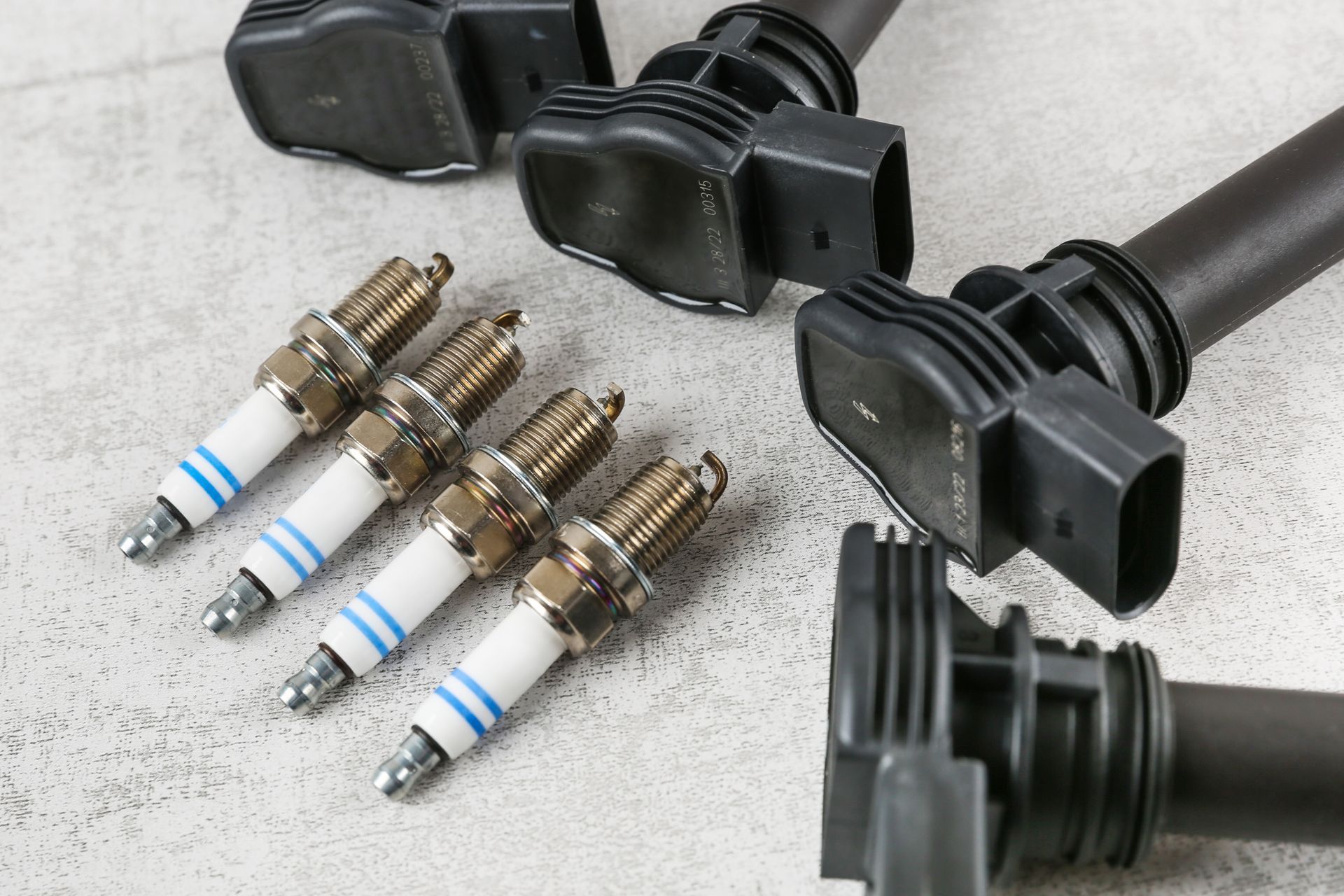
If the engine spins at normal speed and never catches, fuel or spark is missing. We listen for the fuel pump prime with the key on, check pressure at the rail, and verify injector pulse. A blown pump fuse or a bad relay is common after a hot soak. For spark, we look at crankshaft and camshaft sensor signals, coil outputs, and plug condition.
A failed crank sensor can leave you with a perfect crank and no ignition event at all. We also check for a flooded condition after repeated short attempts, which can be cleared with a specific start procedure.
Security, Key, and Neutral Safety Problems
Modern immobilizers will block fuel or spark if the key code does not match. A weak key fob battery can cause strange behavior on push-button systems. We scan for security codes and watch live data to confirm that the vehicle recognizes the key and that the brake and gear position signals are valid.
If your car only starts in Neutral, the range or neutral safety switch is a likely culprit and can often be adjusted or replaced without major teardown.
Flooding, Water Intrusion, and Miami Realities
After heavy rain or street flooding, water can enter connectors, soak a starter, or corrode ground points. If the car stalled in water and now will not crank, do not keep trying. Spinning an engine that ingests water can bend connecting rods.
We inspect the intake path, pull spark plugs if needed, and verify that the engine turns freely by hand before we attempt any powered start.
Get Professional No-Start Diagnostics in Miami with Gramenzi Auto Services
If your car will not start at all, bring it to our Miami team or call us for a safe tow. We will test the battery and charging system, verify starter performance, and confirm fuel, spark, and sensor signals to determine the root cause.
We explain the findings clearly and get you back on the road with a repair that lasts. Schedule your diagnostic today.